







Ribbon
The History of Ribbon: From Ancient Textiles to Modern Satin Ribbon
The History of Ribbon: From Ancient Textiles to Modern Satin Ribbon
Ribbon has been used for centuries to decorate clothing, identify status, finish gifts, mark occasions and add colour to everyday objects. What began as narrow woven decorative textiles eventually developed into the enormous variety of satin, grosgrain, organza, printed and specialist ribbons available today.
As ribbon printers working with ribbon every day since 2007, we thought we’d take a look at where ribbon came from, how satin ribbon developed and how modern ribbon is made.
What Is Ribbon?
Ribbon is a narrow strip of material, usually woven with finished edges so that it can be handled, tied and cut without behaving like an ordinary strip of fabric.
Modern ribbon can be made from materials including polyester, nylon, cotton, silk, acetate and recycled fibres, with different weaving methods creating familiar finishes such as satin and grosgrain.
Ribbon can be decorative, practical or both. Today it is used for everything from clothing and crafts to gift wrapping, weddings, awards, packaging, branding and ceremonial events.
When Was Ribbon Invented?
There isn’t a single recorded date when somebody “invented” ribbon.
Narrow decorative textiles have existed in different forms for centuries. As weaving developed, specialist narrow fabrics could be produced for trimming garments, decorating textiles and displaying wealth or status.
Silk weaving has a particularly long history in China, while decorative bands, braids and narrow woven trims were also used by cultures elsewhere in the world.
Rather than having one inventor, ribbon developed gradually alongside advances in textile production and weaving.
Where Does Satin Ribbon Come From?
It’s useful to distinguish between satin and ribbon.
Satin describes a type of weave that produces a characteristically smooth, lustrous surface. Historically, satin fabrics were associated with silk and luxury, although modern satin ribbon is commonly produced from synthetic fibres such as polyester.
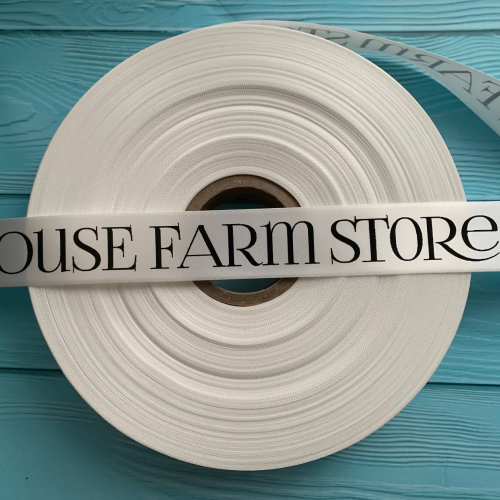
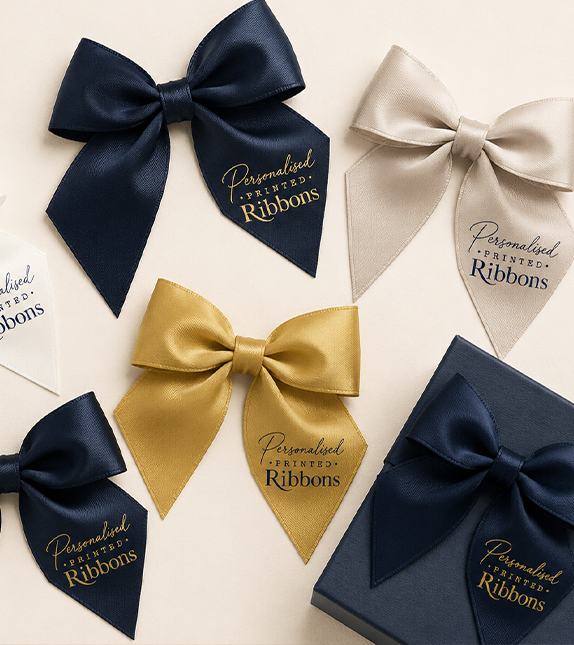
The smooth surface that makes satin visually distinctive also makes it particularly useful today for personalised printing, because logos and wording can reproduce cleanly against the ribbon.
How Did Ribbon Become Popular in Europe?
As textile manufacturing and international trade developed, decorative woven materials became increasingly available throughout Europe.
Ribbon became particularly important in fashion and dress, where different colours, widths and styles could be used to trim clothing, hats and accessories.
For wealthier customers, elaborate ribbons could also act as visible signs of fashion and status.
Ribbon and Fashion
Ribbon has repeatedly moved in and out of fashion but has never really disappeared.
It has been used on hats, dresses, shoes, bonnets, uniforms and accessories, sometimes as a subtle trim and at other times as an elaborate decorative feature.
Changing fashions influenced the colours, widths, materials and quantities of ribbon being produced, helping ribbon manufacture develop into a specialist part of the textile industry.
The Industrial Revolution and Ribbon Manufacturing
Ribbon was originally labour-intensive to produce, but mechanisation transformed textile manufacturing.
Developments in weaving machinery allowed narrow fabrics to be produced more efficiently and in greater quantities. Ribbon consequently became available to a much wider market rather than remaining an expensive decorative textile.
Modern ribbon manufacturing now uses specialist looms capable of producing consistent widths, woven edges and different surface finishes at considerable speed.
How Is Satin Ribbon Made?
Satin ribbon gets its smooth appearance from the way its fibres are woven.
The satin weave allows longer sections of yarn to remain visible on the surface, reflecting light differently from more textured weaves. This creates the familiar smooth, slightly glossy appearance associated with satin.
Depending on its construction, satin ribbon may be single-faced, with the satin finish predominantly on one side, or double-faced, with a satin appearance on both sides.
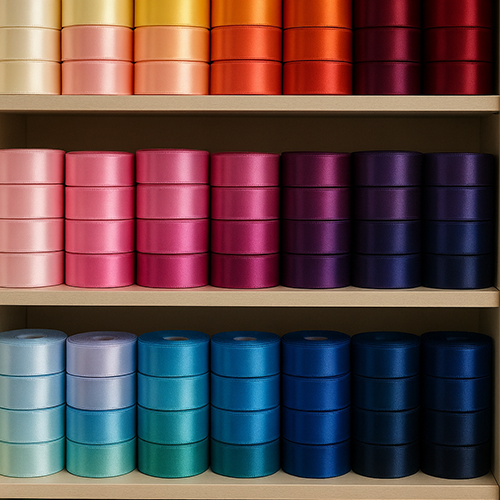
Different fibres, dyes, widths and finishing processes can then be used to create the enormous range of satin ribbons available today.
Satin Ribbon, Grosgrain and Other Modern Ribbon Types
Satin is only one type of ribbon.
Grosgrain ribbon has a distinctive ribbed surface, while organza ribbon is lightweight and sheer. Wired ribbon contains fine wire along its edges to help decorative bows hold their shape.
Modern manufacturers also produce recycled and alternative ribbon materials for customers looking for different material choices.
Read our guide to the different types of ribbon and how to choose the right one.
How Is Ribbon Used Today?
Ribbon still appears in fashion and decoration, but its uses have expanded considerably.
It is now commonly used for:
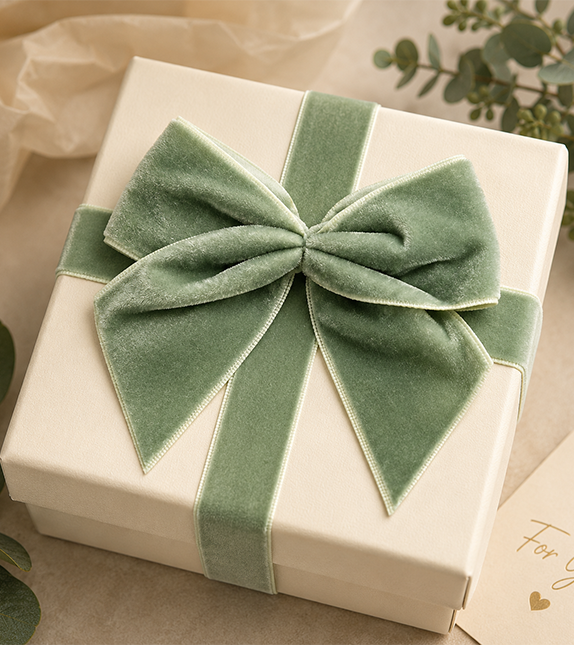
- Gift wrapping and presentation boxes
- Wedding favours and celebrations
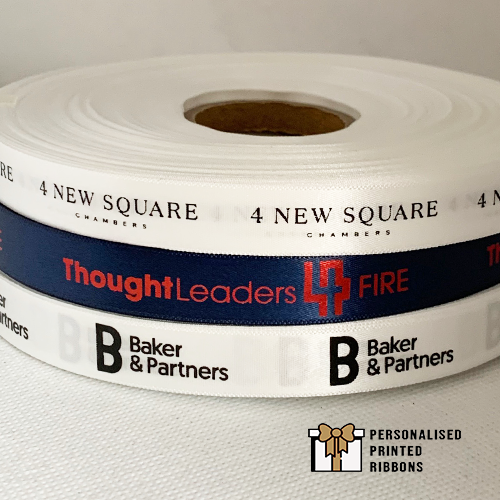
- Corporate gifts and branded packaging
- Awards and trophy ribbons
- Large bows and decorations
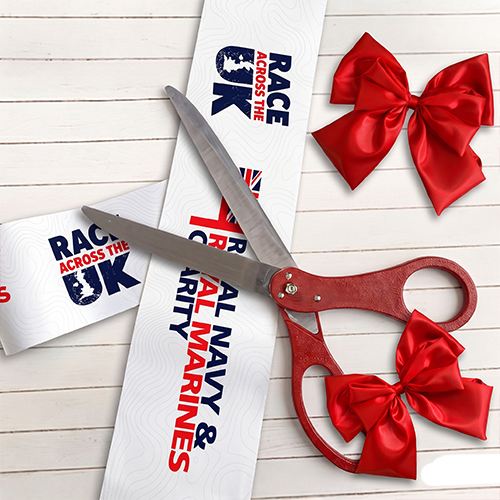
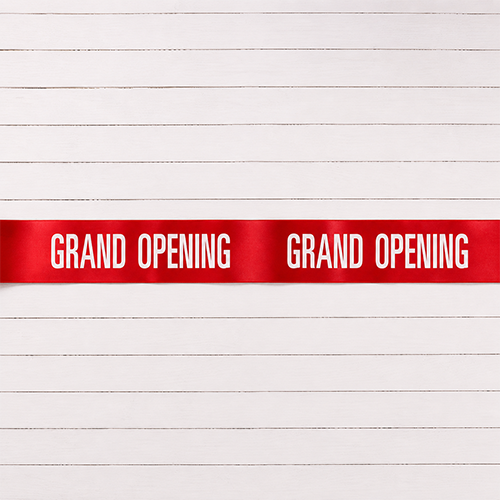
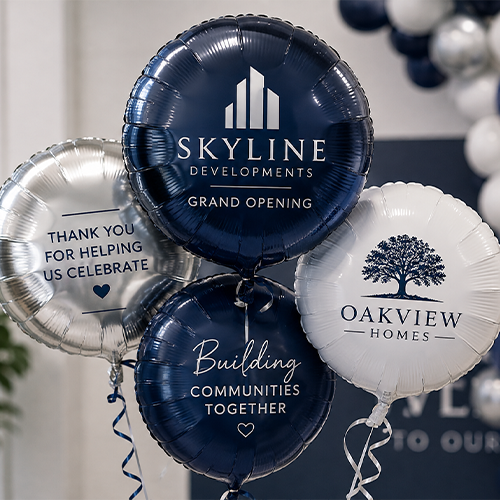
- Grand openings and ribbon-cutting ceremonies
- Crafts and floristry
- Personalised keepsakes
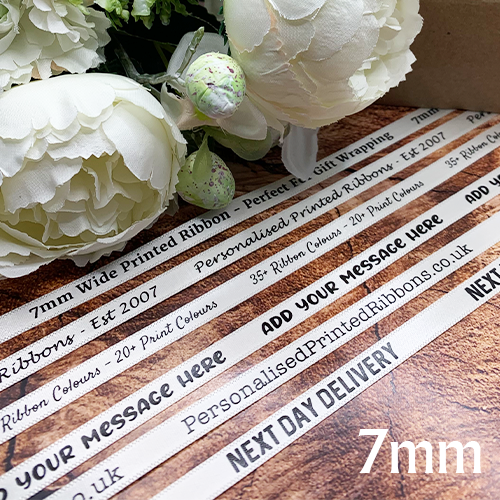
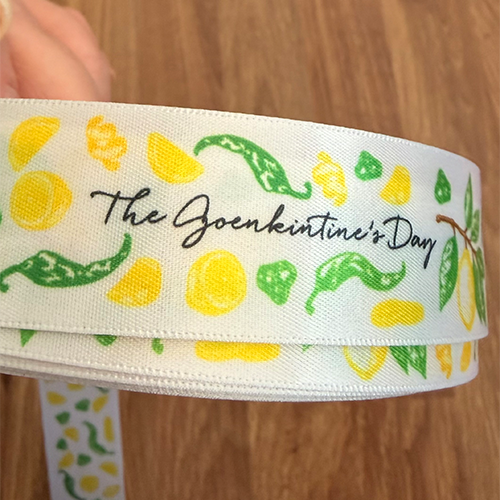
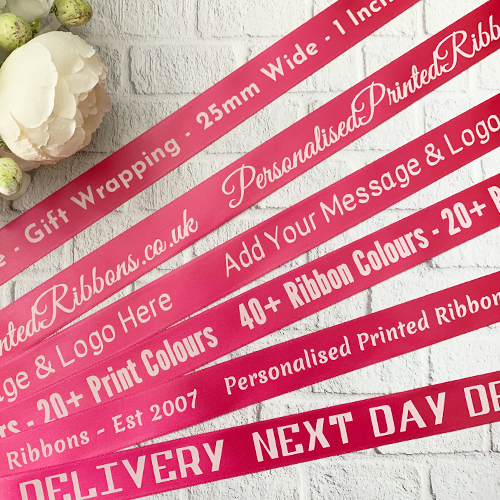
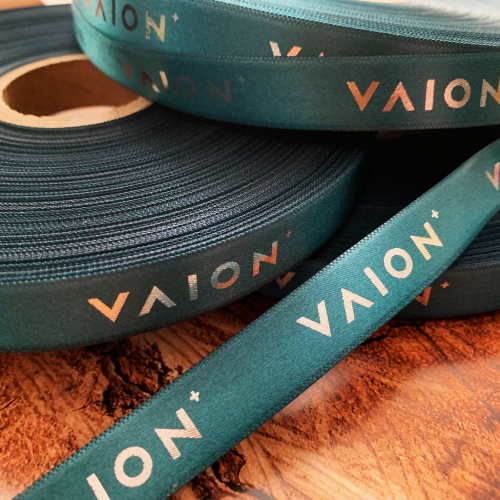
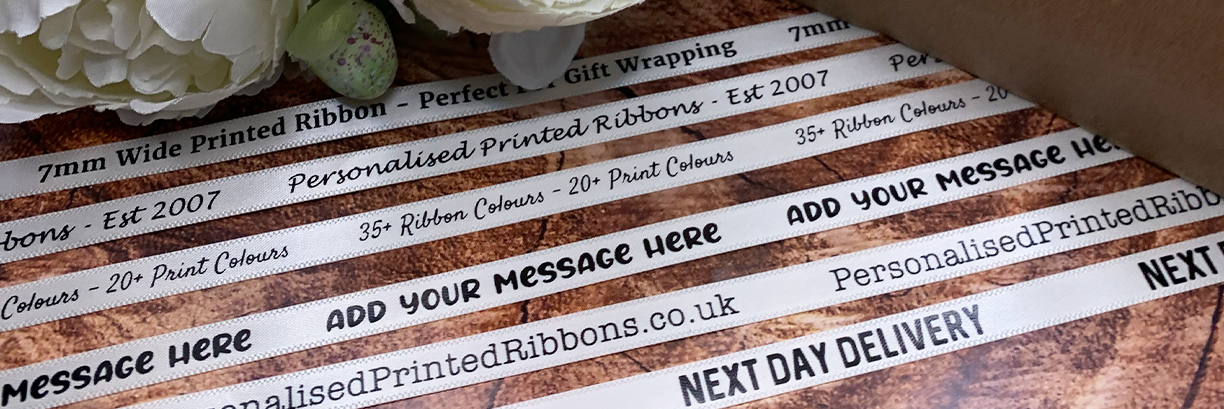
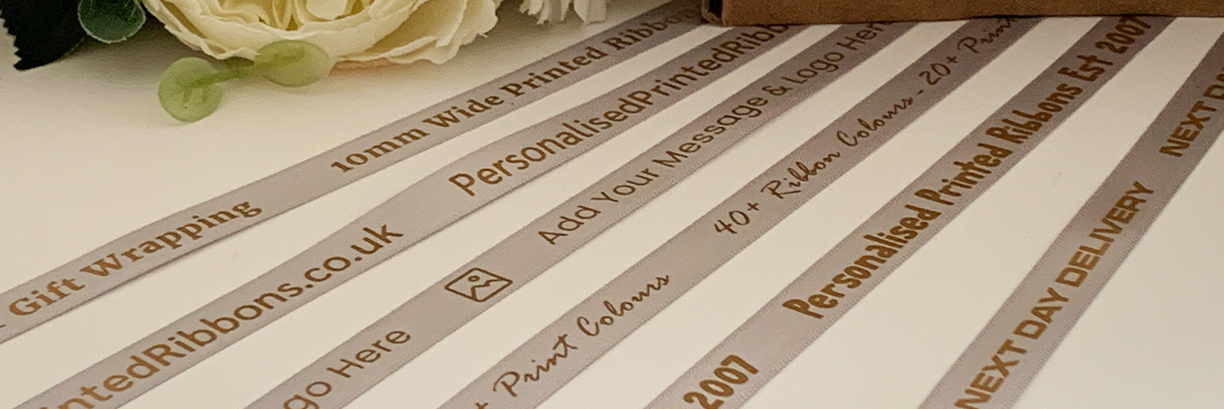
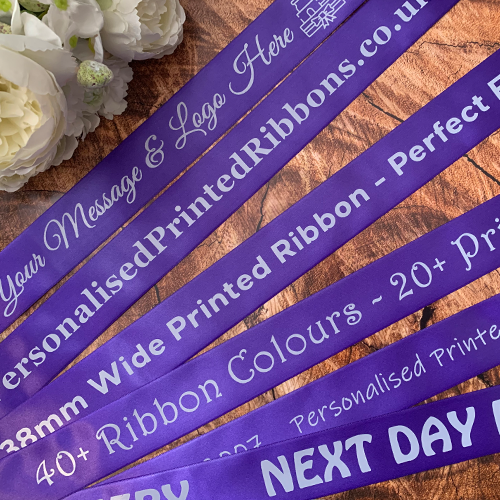
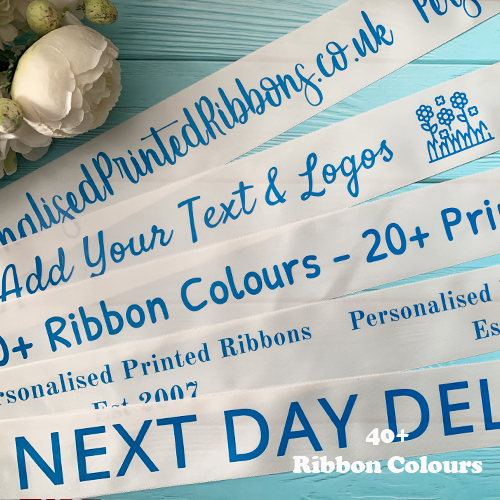
Modern printing technology also means ribbon can carry names, dates, messages, logos, photographs and full-colour designs.
From Plain Ribbon to Personalised Printed Ribbon
Ribbon may have centuries of history behind it, but the ways we use it continue to change.
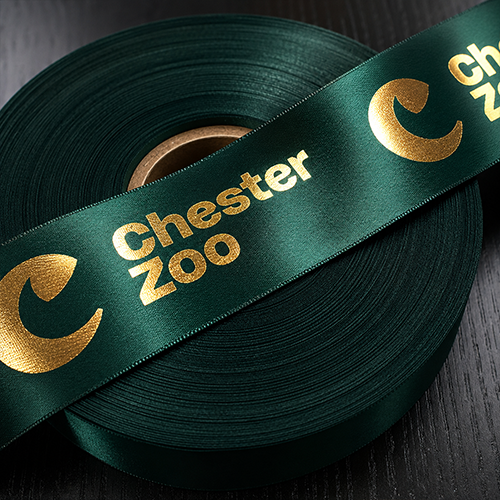
At Personalised Printed Ribbons, we’ve been printing ribbon since 2007. Today we work with everything from narrow satin ribbon for favours and gifts to wide ribbon for branded packaging, large displays and grand openings.
We can print simple text and single-colour logos as well as detailed full-colour artwork, combining a very old textile format with modern printing technology.
EXPLORE PERSONALISED PRINTED RIBBON