



















Grand Openings
How to Plan a Ground-breaking Ceremony – UK Guide & Checklist

How to Plan a Groundbreaking Ceremony – A Complete UK Guide
A groundbreaking ceremony marks something important: the moment plans, drawings and months – sometimes years – of preparation finally become a visible project.
Also known as a ground-breaking ceremony, first spade ceremony or turf cutting ceremony, these events are popular with property developers, construction companies, councils, schools, universities, healthcare organisations and businesses beginning a major new development.
They can be relatively simple or a substantial public event involving local dignitaries, stakeholders, employees, customers and the press.
Whichever you choose, a successful groundbreaking ceremony needs more than a few people standing on a building site holding spades.
Here’s how to plan one properly.
1. Decide what you want the ceremony to achieve
Before ordering anything or sending invitations, decide why you are holding the event.
Is it primarily to:
- officially mark the beginning of construction?
- generate local press and publicity?
- thank investors, partners or stakeholders?
- involve the local community?
- create photographs and video for marketing?
- celebrate an important milestone with employees?
- give councillors, MPs or other dignitaries an opportunity to attend?
Your answer will determine everything from the guest list to the size and style of the ceremony.
A private gathering of 20 people needs very different planning from a public event involving hundreds of guests.
2. Choose the right date
Building sites have a habit of changing quickly, so speak to your project or site manager before confirming the ceremony.
Make sure the chosen area will be safe and accessible on the day and consider what will happen if the weather is poor.
For UK events, a wet-weather plan isn’t optional.
Think about shelter, temporary flooring, umbrellas and whether guests will need suitable footwear. If the actual ground isn’t appropriate for digging, you can create a designated ceremonial area specifically for photographs.
3. Create your guest list
Start with the people directly connected with the project.
Depending on the development, your guest list might include:
- directors and senior management
- architects and contractors
- investors and funding partners
- clients and suppliers
- local councillors
- the local MP
- mayors or civic representatives
- community organisations
- neighbouring businesses
- future occupants or residents
- local press and photographers
For schools, hospitals and community projects, think particularly carefully about the people who will eventually use the building.
Including them can turn a corporate construction milestone into a much more meaningful story.
4. Give people a reason to photograph the event
One of the most valuable things a groundbreaking ceremony can produce is a strong photograph.
It may appear on your website, LinkedIn, local news sites, construction updates, company reports, social media and eventually alongside photographs of the completed project.
Plan the main photograph before the event.
Decide who will be in it, where they will stand and what will appear behind them.
Company branding, development signage and architectural visuals can all help make the location and purpose immediately recognisable.
And don’t leave the photograph until everybody has started wandering back towards the refreshments.
Schedule it.
5. Plan the ceremonial moment
The actual groundbreaking doesn’t need to last long.
Welcome your guests, briefly explain the importance of the project and introduce the people taking part.
Then bring your chosen group forward for the ceremonial first dig or turf cutting.
Give your photographer time to position everyone before the spades enter the ground.
It may feel slightly staged.
That’s fine.
This is the photograph everyone came to capture.
6. Brand the ceremony
A construction site doesn’t naturally look like an event venue, so a few carefully chosen details can make an enormous difference.
Consider branded:
- signage
- banners
- hard hats
- presentation boards
- flags
- podiums
- barriers
- backdrops
- gazebos
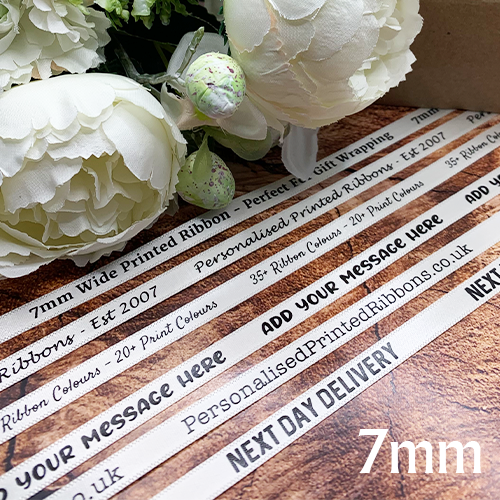
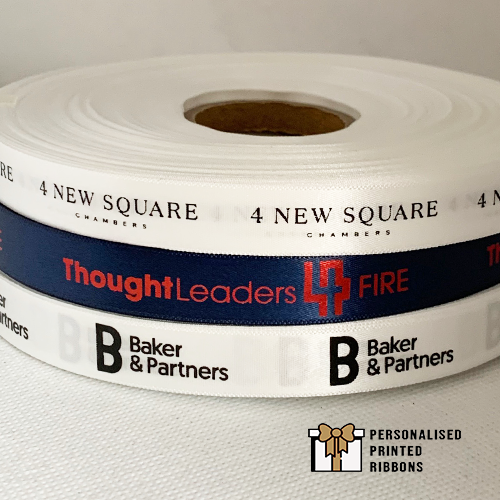
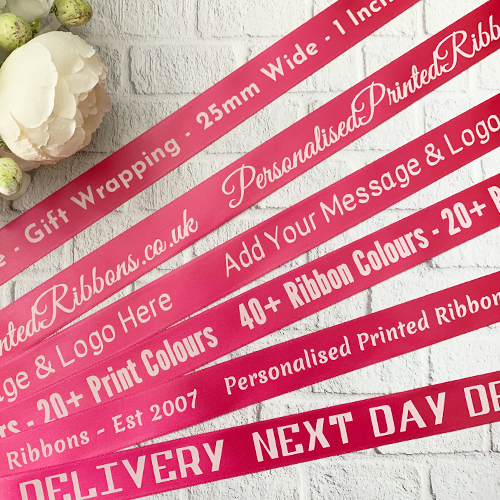
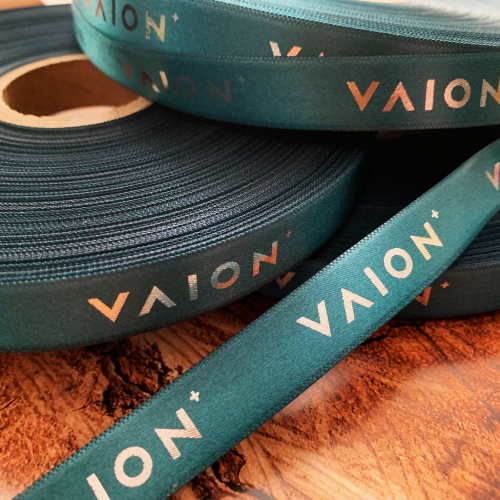
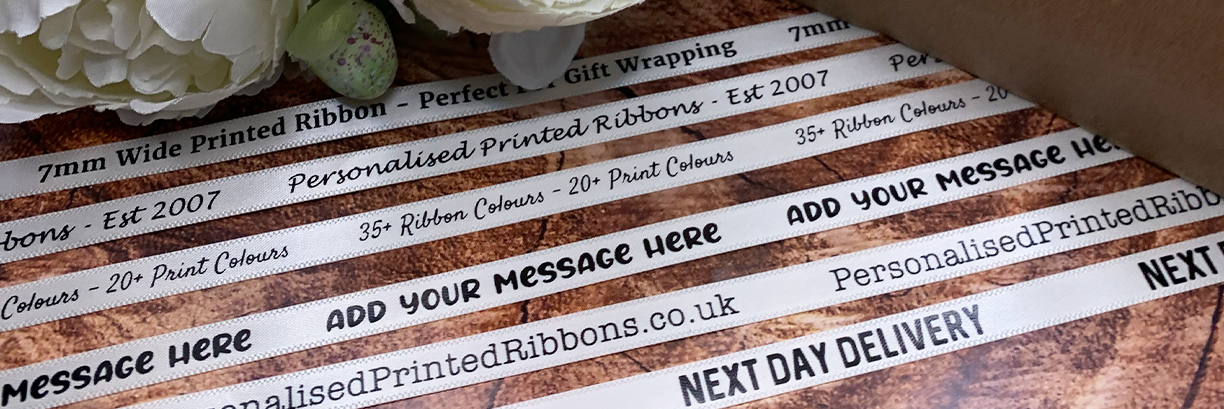
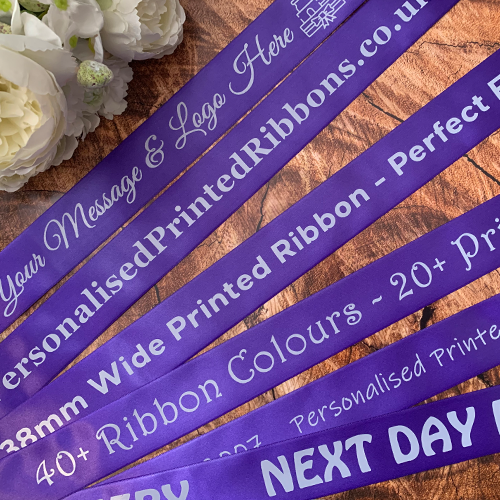
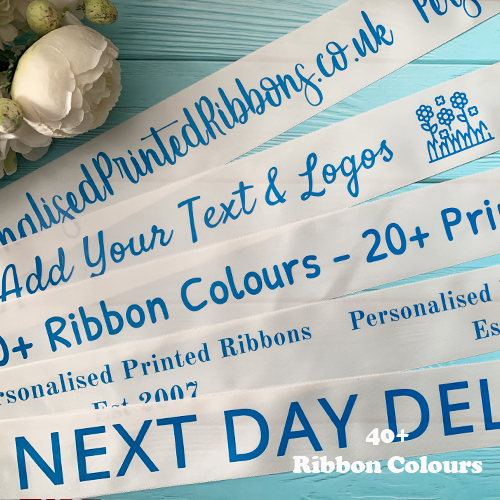
- event ribbon and bows
Use your organisation’s colours consistently so photographs are immediately recognisable as yours.
If the project has its own branding or development identity, this is an ideal opportunity to introduce it.
7. Think about the people attending
The glamorous photographs rarely show the practical details.
Where will people park?
Can someone wearing normal shoes safely reach the ceremony area?
Is the site accessible?
Are toilets available?
Will guests need PPE?
Where will people stand if it rains?
Can elderly guests or wheelchair users reach the ceremony point comfortably?
Is there somewhere for refreshments?
A polished event depends just as much on these details as it does on the ceremony itself.
8. Tell the press before the ceremony – not afterwards
If publicity matters, prepare the story in advance.
Local media are far more likely to take an interest if you give them a clear reason why the development matters.
Rather than simply announcing that construction has started, explain what the completed project will bring.
How many homes will it create?
How many jobs?
What investment is being made?
Will it provide new community, education or healthcare facilities?
Who is funding it?
When will it open?
Provide the key facts, names and correct job titles in writing. Good photographs and accurate information make everyone’s job easier.
9. Capture more than one photograph
The ceremonial spade photograph is important, but don’t stop there.
Capture:
- guests arriving
- speeches
- project teams together
- architectural plans or development boards
- branded details
- candid conversations
- the ceremonial dig
- individual VIP photographs
- wide photographs showing the site
- short vertical video for social media
Also take a photograph of the site itself.
When the project is finished, a simple “then and now” comparison can be extremely effective.
10. Plan the next milestone now
A groundbreaking ceremony is the beginning of the story, not the end.
During the following months you may have topping-out ceremonies, construction milestones, show-home launches and finally the official opening.
Keep your event photographs, guest lists, press contacts and branding together.
When the development is complete, many of the people standing beside you for the first spade will be exactly the people you’ll want beside you when the ribbon is cut.
Groundbreaking Ceremony Checklist
Before the event, check that you have:
- confirmed the date and ceremony location
- agreed the event with the site manager
- completed any necessary site safety planning
- prepared a wet-weather alternative
- invited VIPs and stakeholders
- contacted relevant local media
- arranged ceremonial spades
- confirmed PPE requirements
- organised signage and branding
- prepared speeches or talking points
- booked photography and/or video
- planned parking and guest access
- considered accessibility
- arranged refreshments if required
- confirmed who will take part in the main photograph
- prepared a short press release or project information sheet
And finally: check the weather forecast again.
This is Britain, after all.
From Groundbreaking to Grand Opening
Months or years after the first spade enters the ground comes the moment everyone has been working towards: opening the completed building.
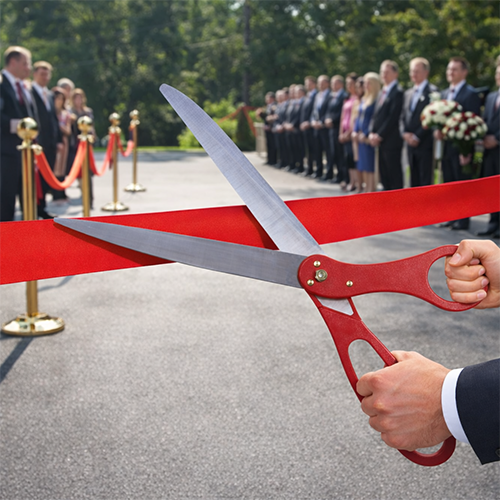
Personalised Printed Ribbons has been supplying custom printed ceremonial ribbon, giant bows, grand opening scissors and ribbon-cutting accessories since 2007, helping businesses, property developers and organisations create professional opening ceremonies throughout the UK.
Planning ahead means the branding used at your groundbreaking ceremony can carry right through the development and into the official opening.
Whether you need a simple length of personalised ribbon for a small ceremony or an impressive extra-wide branded ribbon for a major launch, our team can help with the artwork and provide a visual proof before production.